What Comprehensive Oral Care Really Looks Like in Modern Den..
11 Min Read
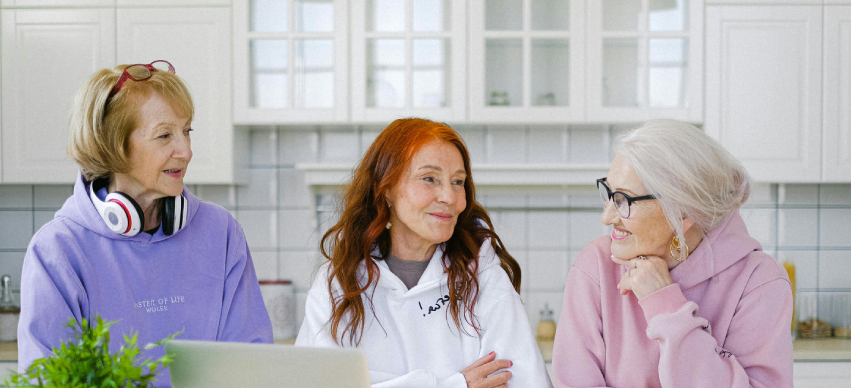
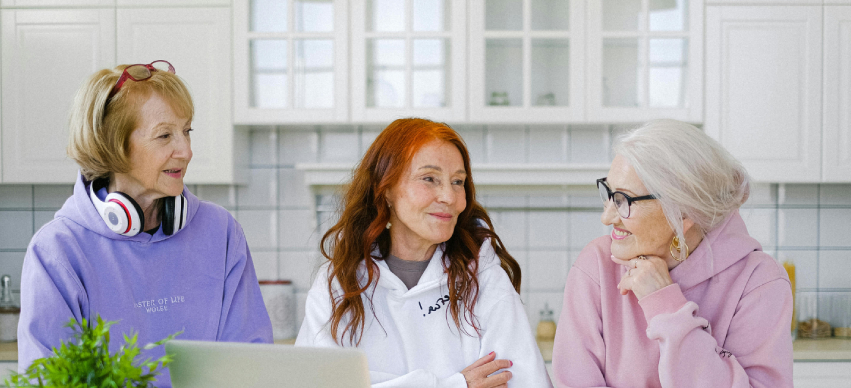
For a long time, we've been scared of the aging population. Headlines say that healthcare systems are breaking down, pension funds are running out of money, and economies are coming to a standstill. But what if we've been looking at this change in demographics the wrong way?
There is a quiet revolution going on all over the world. Organizations, healthcare providers, and communities that think ahead are realizing that older people aren't a problem to be solved; they're an opportunity to be taken.
The numbers tell a very interesting story. Life expectancy around the world has gone up by about 20 years since 1950, and it is now over 70 years. In places like Japan, people can expect to live for more than 80 years after they are born. This isn't just a short-term problem; it's the new normal as societies become more modern and healthcare improves. Japan is a very interesting case study. A common sign of demographic disaster is that the country now sells more adult diapers than baby diapers. Japan, on the other hand, has not panicked but instead come up with new ideas. They have created technologies, services, and urban designs that meet the needs of older people while also creating whole new industries. The question isn't if populations will keep getting older; they will. The question is whether we will keep seeing this as a problem or start seeing it for what it really is: proof of human progress and a spark for new ideas.
Our old ideas about aging are most dangerous in healthcare. This is a sad fact: heart disease kills about 700,000 Americans every year, making it the most common cause of death in the country. But half of all Americans don't know this.
It's even more worrying that both patients and doctors often brush off serious symptoms as just "getting older." For example, a patient who is dizzy, short of breath, or unusually tired might be sent home with the assurance that these symptoms are just a normal part of aging. In fact, they could be signs of a serious heart disease that could kill you. This wrong idea is especially dangerous in communities that don't get enough help. Life expectancy in Baltimore differs by 20 years across neighborhoods. African Americans are 30% more likely than non-Hispanic whites to die from heart disease. These numbers don't just show numbers; they show thousands of deaths that could have been avoided if we had better systems and didn't hold on to old ideas about aging.
New programs are coming out that question the way healthcare has always been delivered. One method that is becoming more popular is to use Community Health Ambassadors, who are trusted local people who help connect people who don't have access to basic health services with those services.
These ambassadors, often seniors themselves, work through existing community networks like faith organizations, local centers, and neighborhood groups. One compelling example of this approach, demonstrates how community health ambassadors in Baltimore are bridging healthcare gaps through trusted local partnerships.
The model understands that information alone isn't enough when it comes to healthcare. People need to hear health messages from people they trust and in places where they feel safe. These programs get people involved at rates that traditional outreach efforts can only dream of by putting health education into existing community structures instead of expecting people to go to new medical facilities.
The first results from pilot programs look good. Hundreds of people have gone to education sessions, gotten screenings, and been linked to the right care. The programs are also starting to change how people in the community think about what "normal aging" should look like.
Older adults are a huge untapped resource for the workforce, but this is something that doesn't get much attention in the news. A lot of people over 60 are still active, involved, and want to make a difference in their communities. But ageist ideas about hiring mean that most of this talent pool is still untapped. Community health ambassador programs show one way to solve the problem. These programs have a strong double benefit because they hire older people from the community to do health outreach. Seniors get jobs that give them money and a sense of purpose, and communities get health educators who know what it's like to get older and can talk about it in a real way. This is just one example of how the "silver economy" could make jobs available. Many industries are realizing that products and services that are well thought out for older adults are good for everyone. For example, age-appropriate architecture and urban design, as well as travel services that go beyond the usual offerings.
Making communities age-friendly isn't just about adding wheelchair ramps and handrails, even though accessibility is important. They're about making places where people of all ages can do well.
This means making public spaces that bring people together instead of keeping them apart. This means making sure that people can get to important services without having to own a car. It means making housing options that let people stay in their communities as they get older, instead of having to move to a nursing home or other institution when their needs change. Japan, Singapore, and a number of European nations have made substantial progress in this regard. Their new ideas for public transportation, housing developments for people of all ages, and community centers can be used by other countries to fit their own needs.
The Policy Need
The most important thing to remember is that the public policy frameworks we made in the 20th century—how we deliver healthcare, our pension systems, and our schools—were made for demographic realities that no longer exist. We need to completely rethink these systems for people in their 20s and 30s. This doesn't mean giving up on helping older people. It means creating systems that are smarter and more sustainable and that take into account longer lifespans and longer periods of healthy, productive aging. It means putting money into preventive health care instead of waiting for emergencies to happen. It means giving people chances to learn new things for the rest of their lives and during career changes.
From problem to chance
We have a clear choice to make. We can keep seeing older people as a problem and a burden, or we can see the chance we have. When we change how we look at things, we see that older people aren't a burden on society; they're a storehouse of experience, knowledge, and skills. The demographic transition isn't a problem that needs to be solved; it's a change that should be welcomed.
The picture says it all: compare a 1950s road sign that shows old people as weak and dependent to today's reality of seniors skydiving, starting businesses, and going on adventures.
It's not just that we're healthier; it's also that we believe we can do more.
Groups and communities that are already adopting this way of thinking are finding something amazing: when you design for older adults with the same creativity and care you would for any other group, everyone benefits. Curb cuts for wheelchairs are also helpful for parents with strollers. Technology that is easy to use for people who aren't very tech-savvy makes things better for everyone.
Going Ahead
To change how society sees and supports older people, we need to make changes in many areas. For example, healthcare systems should focus on prevention and community-based care, workplaces should value experience and wisdom, cities should be designed to be accessible and connected, and cultural stories should celebrate rather than downplay the contributions of older people.
The change in population is going to happen. We still have the choice of how to respond to it. We can hold on to old ways of doing things and watch systems break down under stress, or we can come up with new ideas, change, and find the hidden chances that this change brings.
The future is getting older. The question is whether we'll get older and weaker or older and stronger.
What Does Black Lines On Nails Mean?
9 Min Read

9 Effective Uses of Expired Olive Oil
7 Min Read

Disadvantages Of Drinking Lemon Water Daily
7 Min Read

List Of Vitamins That Cause Weight Gain
5 Min Read
How To Get Rid Of Blood Clot In Finger?
8 Min Read
Disclaimer - The content on this site is for informational purposes only. Always seek the advice of a qualified physician.
Copyright © 2026 sehat.com